
Meet the DIAMAS Project Final Conference Speakers

Meet Our Speakers for the DIAMAS Project Final Conference!

Get to know our experts who will be sharing their insights, experiences, and ideas on the Future of Diamond Open Access Publishing in Europe. Click on the speaker’s name to view their bio!

For a detailed schedule of the conference day, please refer to the DIAMAS Final conference programme.

Online registration is still open! Book your free spot through our conference registration platform.

Putting Diamas Project resources to work – 10.15-11.45 (CEST)

Speaker 1

Irakleitos Souyioultzoglou

As an Open Science Project Officer, Irakleitos participates in EU-funded projects supporting Open Science best practices (Skills4EOSC), and a sustainable scholarly communication ecosystem (DIAMAS). Irakleitos holds a PhD in Social Anthropology and has experience in the implementation of projects focusing on the development of digital infrastructures and the introduction of open research practices in the Social Sciences and Humanities.

Speaker 2

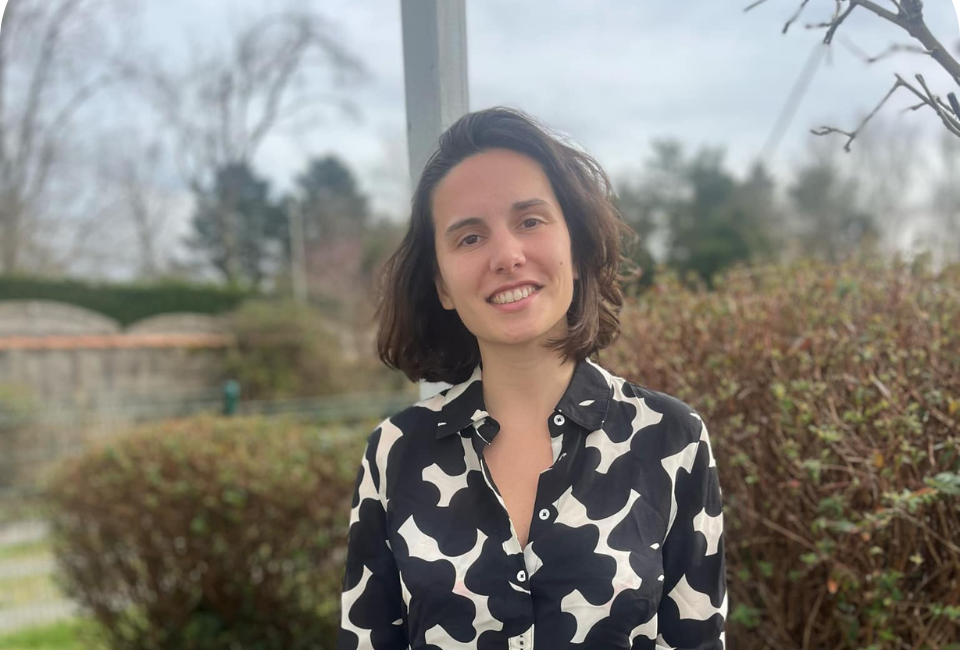
Marion Paulhac

Marion Paulhac is the community manager of the European Diamond Capacity Hub since 2025. She has a background in European and International Studies with a focus on Russian studies, as well as a Master’s degree in Publishing. Before joining the Hub, she supported scholarly journals at the University of Toulouse – Jean Jaurès in implementing Open Science practices. She then worked as an editor at the École des Hautes Études en Sciences Sociales (EHESS) for a humanities and social sciences journal

Speaker 3

Pilar Rico-Castro

Pilar Rico-Castro, PhD, serves as the Coordinator of the Open Science Unit at the Spanish Foundation for Science and Technology (FECYT) and is an associate lecturer at the National Distance Education University (UNED). She earned her PhD in Government and Public Administration from the Complutense University of Madrid in 2006.
Pilar supports the Ministry of Science, Innovation and Universities in the design, implementation, and evaluation of both national and European R&D&I public policies. At the national level, she is an integral member of the National Open Science Committee (COS), where she contributed to the design and drafting of the National Open Science Strategy (ENCA). Additionally, she coordinates key initiatives for the ENCA deployment such as the María de Guzman Public Funding Call for Open Science (L2), the National Scientific Journals Assessment Process, the National Digital Platform for Academic Publishing RECYT, and the National Open Access Repositories Aggregator RECOLECTA.
Internationally, Pilar is the Spanish Delegate at the European Commission’s National Points of Reference (NPR) for Scientific Information Expert Group, at the EOSC Steering Board Expert Group, and at the Council for National Open Science Coordination (CoNOSC). She is also a national expert on the Horizon Europe Programme Committee for Research Infrastructures.
Furthermore, she represents FECYT in various organizations including the EOSC Association, OpenAIRE AMKE, the Federated Network of Institutional Repositories of Scientific Publications LA Referencia, and the Confederation of Open Access Repositories COAR. She has participated in several FP7 and H2020 projects, such as OpenAIRE (2009-2012), OpenAIREplus (2011-2014), OpenAIRE2020 (2015-2018), OpenAIRE Advance (2018-2020), the MedOANet project (2011-2013), PASTEUR4OA (2014-2016) EOSC-Future (2021-2024) and OSTrails (2024-2027). Currently, she plays a significant role in DIAMAS (2022-2025) and ALMASI (2025-2027) Horizon Europe projects

Speaker 4

Susanne van Rijn

Susanne van Rijn is program manager for Strengthening Diamond Access in the Netherlands (2024-2026), on behalf of the Dutch academic library consortium UKB. She also leads one of the projects within this program, Infrastructures for Diamond Open Access,aiming to set up a high-quality and flexible national publication infrastructure building upon the publication platforms of Openjournals and the Netherlands University Presses. Previously she worked as a subject librarian in the Humanities at Leiden University Libraries.

Speaker 5

Bregt Saenen

Dr Bregt Saenen serves as Senior Policy Officer for Open Science at Science Europe. With extensive experience in membership and policy organisations, he has held roles at the European University Association, the European Commission (DG EMPL), SOLIDAR, and the EU Office of the International Labour Organization. Dr. Saenen earned his Doctorate in EU Studies and a Master of Science in EU Studies from Ghent University in Belgium, where he also completed a Bachelor and Master of Arts in History. Additionally, he was a Visiting Researcher at New York University in the United States.

Speaker 6

Zoé Ancion

Zoé Ancion is the head of the Open Science Unit at the French National Research Agency (ANR). She develops ANR’s Open Science commitments and their implementation in the ANR’s processes. She coordinates the open science network of the French funding agencies. She also represents ANR in several national and international networks such as the French Committee for Open Science, Science Europe Working group on Open Science, cOAlition S or the Barcelona Declaration.

Speaker 7

Iva Melinščak Zlodi

Iva Melinščak Zlodi is a scholarly communication and e-resources librarian at the University of Zagreb Faculty of Humanities and Social Sciences, responsible for institutional repository development, support in electronic publishing, providing electronic resources, information literacy education, and bibliometric monitoring of research output. She leads the development of the institutional OA book platform FF Open Press, has experience with initiating and developing the Croatian national journals platform Hrčak and repository network Dabar. She is the chair of the Board of SPARC Europe. Her main interests are open access and open science, open repositories, authors’ rights and open licences, scholarly publishing and research evaluation (with a special focus on humanities and social sciences).

Speaker 8

Daniela Hanh

Daniela Hahn is a theatre scholar and, since 2022, manager of the project “Platinum Open Access Funding” (PLATO) which is dedicated to promoting sustainable Diamond Open Access in Switzerland. She also works as academic associate at the Office of the Vice President Research at the University of Zurich.

Diamond diversity across Europe 13.00-14.00 (CEST)
Speaker 1

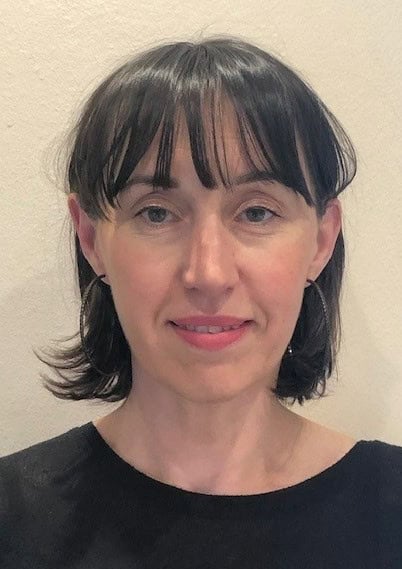
Anna Hughes

Anna is a Development and engagement manager at Jisc with responsibility for leading initiatives related to scholarly communications and open access, particularly within the arts and humanities. With a background in academic libraries, Anna has strong expertise in open access, project management, stakeholder engagement, and communication. Anna’s key responsibilities include identifying opportunities for collaboration, contributing to externally funded projects, and translating insights into impactful services or resources. Anna strategically engages with all stakeholders—such as funders, libraries, publishers, and international partners—to support UK higher education institutions in achieving their goals.

Speaker 2

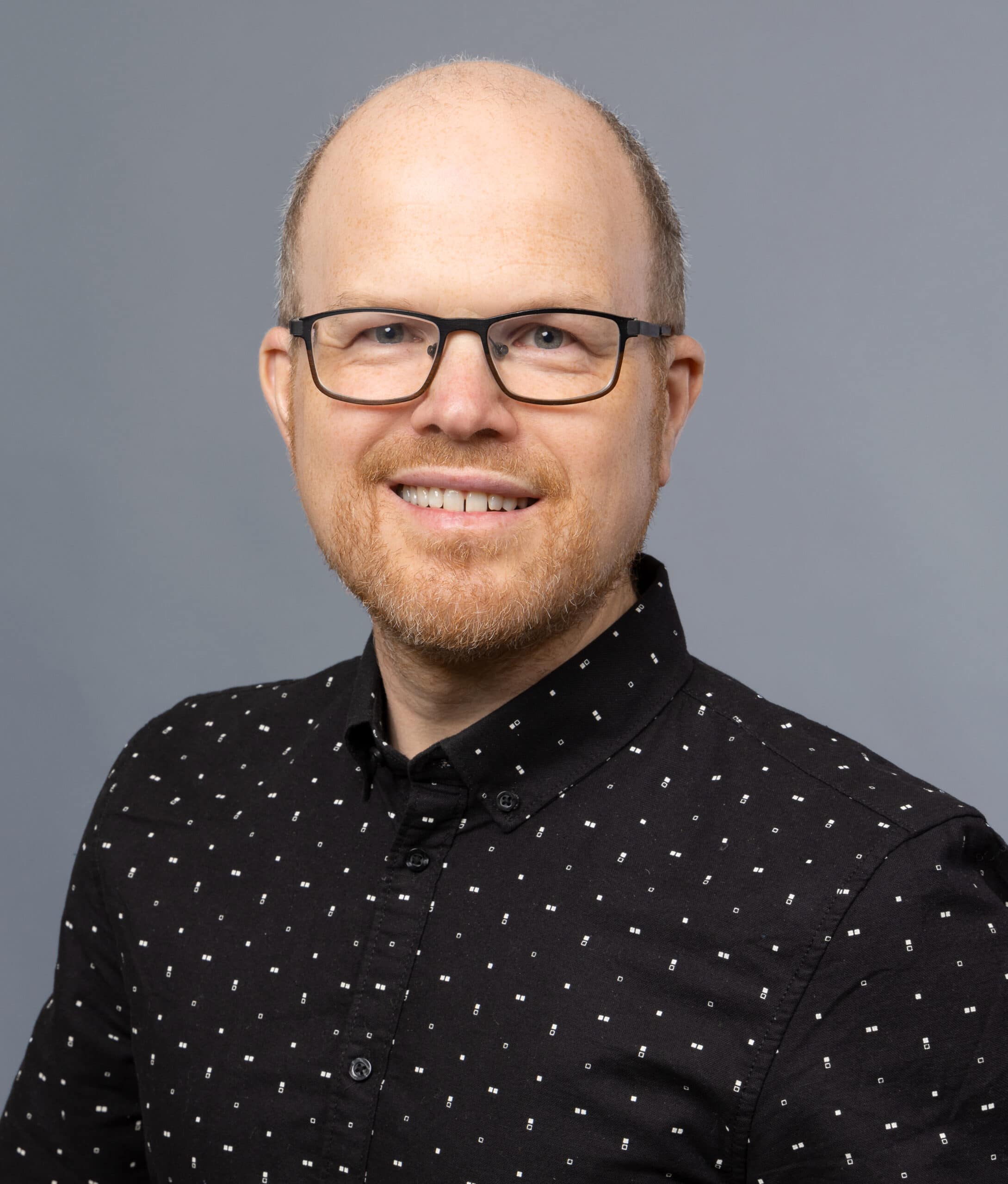
Jan Erik Frantsvåg

With a background in economics, computer science and banking, Jan Erik joined the finance department of UiT in 1993. In 1994 he discovered the perverse business models of scholarly publishing, this led him to advocate for Open Access and to pursue a master’s degree in Documentation science, concentrating on scholarly publishing. Since 2006 he has worked full-time on Open Access related tasks at the university library. Research on OA publishing led to his participation in the Open Access Diamond Journals study, and then to the DIAMAS project where he was WP2 leadCredit photo: © Frans Sellies

Speaker 3

Per Pippin Aspaas

Per Pippin Aspaas, PhD, is senior academic librarian at UiT the Arctic University of Norway and an active researcher in Neo-Latin philology and Early Modern intellectual history. Over the years, he has been involved in several Open Science activities locally and regionally, most lately in efforts at establishing a Nordic Capacity Centre for Diamond Open Access. The Open Science Talk Podcast, of which Aspaas is the host, has published several interviews on Diamond OA with experts both inside and outside the DIAMAS project.

Speaker 3

Pedro Principe

Pedro Príncipe. Head of Division at the Documentation and Libraries Service of the University of Minho (UMinho), coordinating the Office for the Management of Scientific Information, Repositories and Open Science. He has a degree in New Communication Technologies from the University of Aveiro and attended a postgraduate course in Information and Documentation Sciences at the Fernando Pessoa University.
Information specialist and Open Science project manager, responsible at UMinho for implementing the OpenAIRE projects – Open Access Infrastructure for Research in Europe, with collaborations in several other European and national Open Science and Research Data Management projects, such as PATTERN, PATHOS, EOSC-Future, FAIRsFAIR, ON-MERRIT, FIT4RRI, FOSTER Open Science, OpenAIRE-connect, Necobelac, and in Portugal RCAAP and PUBIN. At UMinho he is coordinating the development of the roadmap for Research Data Management support services. Currently, he coordinates the Re.Data consortium, which is developing the Portuguese Research Data Management Support Network, is a member of the coordination of the National Research Data Management Forum, the National board of the Portuguese Association of Librarians, Archivists and Information and Documentation Professionals (BAD), and in BAD he coordinates the Higher Education Libraries Working Group. Member of the scientific committees of Open Repositories International Conference and LIBER Conference.
Speaker 4

Nanette Rißler-Pipka

Nanette Rißler-Pipka is a digital humanist, literary scholar, specialist in French and Spanish literature. She is co-managing director of DARIAH-DE and National Coordinator of Germany for DARIAH-ERIC. As such she is also part of the coordination committee of the Association for Research Infrastructure in the Humanities and Cultural Studies (GKFI) which organizes the contributions of CLARIN, DARIAH and OPERAS on a national level.
At the central office of the Max Weber Foundati -German Humanities Institutes Abroad in Bonn, She is currently working as Digital Humanities and Research Data Management Officer.
Speaker 5

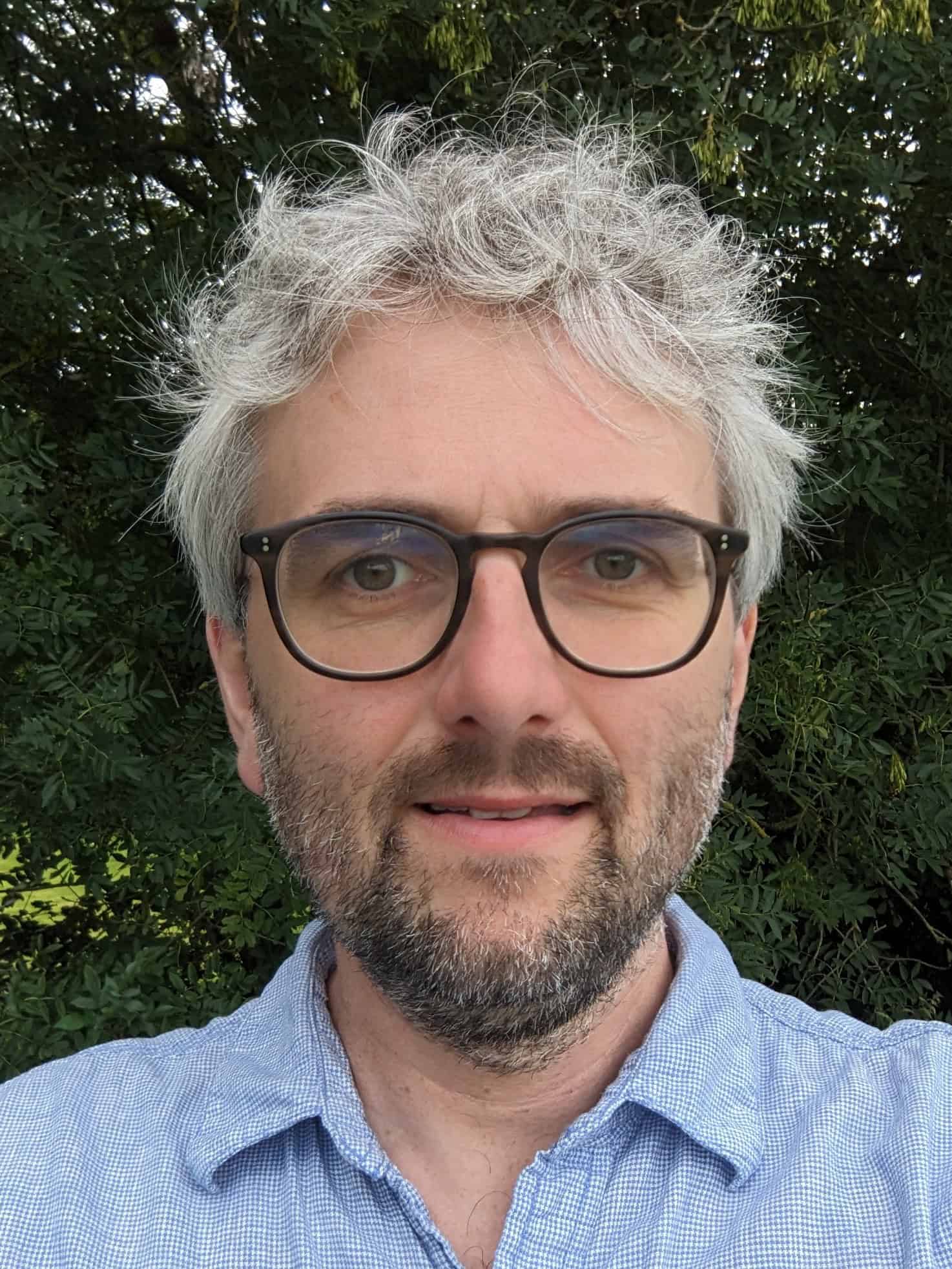
Joe Deville

Joe Deville is Professor in Science and Technology Studies at Lancaster University and Managing Director of the Open Book Collective. He is currently leading the Copim Open Book Futures project, which is developing a fairer, more sustainable and more diverse ecosystem for the production, funding, and preservation of Open Access books. He is also a co-founder and co-editor of Mattering Press, a Diamond Open Access book publisher and UK-registered charity

Collaboration in Diamond OA publishing 14.00-15.00 (CEST)
Speaker 1

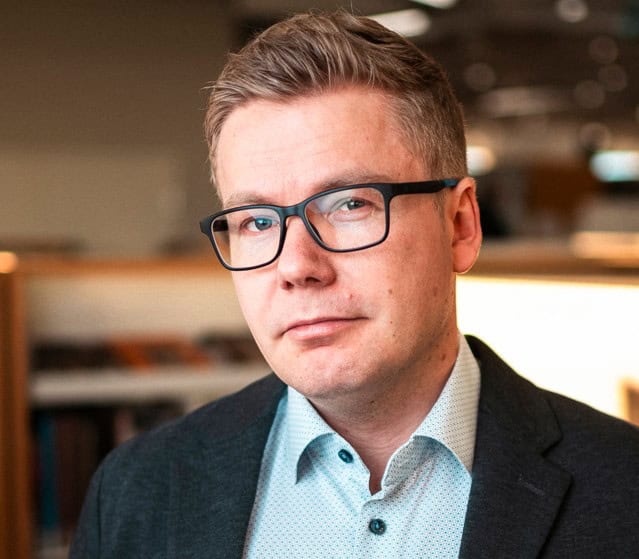
Mikael Laakso

Mikael Laakso is an Associate Professor in Information Studies at Tampere University, Finland, and a Project Expert for the Finnish Federation of Learned Societies. His research interests relate to scholarly information and communication very broadly, where one of the consistent themes has been research related open access publishing and open science practices. Having conducted research in this space for over 15 years, Mikael is experienced in a variety of quantitative and qualitative methods to apply to create new knowledge within the space of scholarly information, ranging from policy/document analysis, bibliometrics & web metrics, surveys, interviews and beyond.

Speaker 2

Katarina Perić

Katarina Perić works as a higher librarian at the Department of Scientific Information at National Library of Serbia which is the headquarter of the KoBSON (eng. Serbian Library Consortium for Coordinated Acquisition).
She started her internship at the NLS back in 2015 after finishing the Master studies in library and information science at the University of Belgrade, Faculty of Philology, with her master thesis titled: “Open Access and academic digital repositories”.
Working with the scientific community of Serbia for over a decade, her expertise includes end-users training in using full-text databases of eJournals, eBooks and abstract and citation databases, managing web site and social media of KoBSON consortium, engaging in promotion and advocacy of Open Access in Serbia, active role in supporting scientific OA publishing in Serbia etc. From May 2016 until January 2017 she was engaged in eIFL project “Revisiting Open Access Journal Policies and Practices in Serbia” as technical support in checking journal policies and preparing materials for the web presentation.
Her work passion is helping the researchers in their scientific research work and also in sharing knowledge and connecting with colleagues from different countries in order to help each other in professional way.
Speaker 3

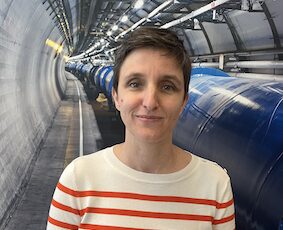
Anne Gentil-Beccot

Anne Gentil-Beccot works in the CERN Scientific Information Service in Geneva. After many years with the Library team, she is now part of the Open Science section. As the CERN Open Science Coordinator, she is responsible for overseeing Open Science activities within the organization, enabling the implementation of the Open Science strategy, and supporting CERN Open Science Governance. Additionally, she supervises all operations related to the Open Access strategy and community support. She is also a member of the operational team managing the SCOAP3 initiative (Sponsoring Consortium for Open Access Publishing in Particle Physics).

Speaker 4

Joanna Ball

Joanna Ball is the Managing Director of the Directory of Open Access Journals, a community-led open infrastructure that curates a unique index of over 20,000 diverse open access journals from around the world. Joanna is responsible for ensuring that DOAJ fulfils its mission by setting strategic direction, leading on advocacy and engagement, and securing the organisation’s sustainability. Joanna joined DOAJ in 2022 after spending over 25 years in academic library management and leadership roles in the UK and Denmark.

The future of Diamond open access in Europe and beyond – Part 1 (policy makers) 16.00-16.45 (CEST)

Speaker 1

Vinciane Gaillard

Vinciane is Director for Research and Innovation at EUA, leading the implementation of the Association’s Agendas for R&I, Innovation, and Open Science. These agendas take a comprehensive approach to the R&I continuum, covering basic research, applied research, and innovation. Developed by universities for universities, they are implemented with the support of the EUA R&I unit.
A strong advocate for the role of university R&I in shaping the European Research Area, Vinciane works towards a well-designed and sustainable R&I system, supported by a favourable regulatory environment and sufficient and sustainable funding.
Before joining EUA in 2019, Vinciane spent over 15 years as a researcher and research manager in cognitive psychology and neuroscience. She holds a PhD in Psychology from the Université libre de Bruxelles (ULB), Belgium.
Speaker 1

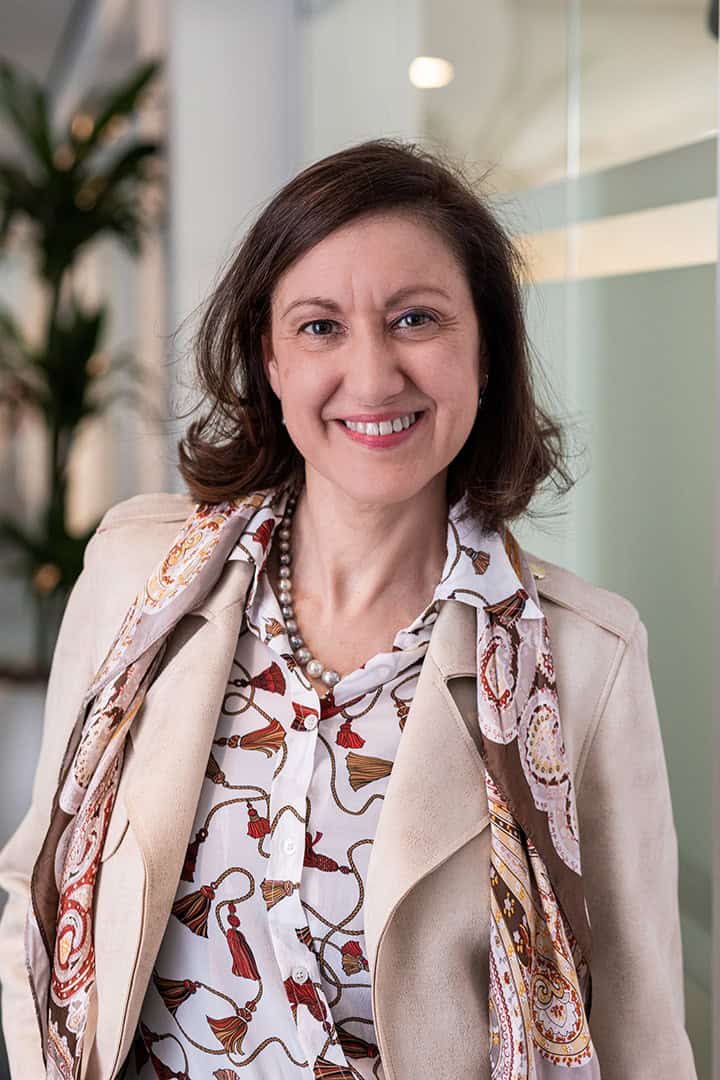
Lidia Borrell-Damián

Lidia Borrell-Damián is Secretary General of Science Europe, the association representing national public organisations that fund and perform research in Europe. She holds overall responsibility for the organisation’s strategic development and implementation of action plans. Her areas of experience cover a wide range of Research and Innovation (R&I) priorities, including research policy and international collaboration. She holds a Doctorate in Chemistry (Chemical Engineering Specialty; Solar Energy) from the University of Barcelona (1995). After thirteen years in university, she worked at the European University Association (EUA) from 2006-2019, serving the last five years as the Director for R&I.

Speaker 2

Michael Arentoft

Michael Arentoft, Head of Unit, Open Science and Research Infrastructures, DG Research & Innovation, European Commission
Michael was previously Deputy Head of International R&I Cooperation Strategy, Innovation Union policy officer, Acting Head of Strategy for ICT R&I, Sector Head of ICT R&I Work Programme and Planning, coordinator of ICT Essential Technologies and Infrastructures, and project officer in High Performance Computing and Networking. Before joining the EC, he was with Computer Resources International and with Rovsing International. His educational background is from the University of Pennsylvania’s Computer and Information Science PhD program and from the Technical University of Denmark’s Electrical Engineering Master’s program.

Speaker 3

David Oliva Uribe

Dr David Oliva Uribe is an experienced international expert with over 20 years dedicated to advancing public policy, research, and innovation across Europe. He currently serves as a senior consultant for UNESCO, where he supports strategic initiatives on Diamond Open Access and Open Data Governance, with an emphasis on inclusive and equitable collaboration frameworks.
Based in Brussels, Dr Oliva Uribe has held key leadership roles in European institutions. At the European Institute of Innovation and Technology (EIT Digital), he coordinated university-industry collaboration in advanced digital technologies across nine countries. As Director of the Council for Doctoral Education at the European University Association, he led a network of over 230 universities in 35 countries, shaping public policy on doctoral education and research careers.
Dr Oliva Uribe has collaborated with Science Europe and other European bodies on open access policy, digital innovation, and science diplomacy. He regularly engages with multilateral stakeholders to foster cooperation on science, technology, and education. He is also the founder of EUMex-Connect and Knowleds, initiatives that connect Europe and Latin America in research, higher education, and innovation with social impact.
He holds two PhDs in engineering – one from Leibniz University Hannover in Germany, and another from Vrije Universiteit Brussel in Belgium – both awarded with distinction.

The future of Diamond open access in Europe and beyond – Part 2 (practitioners) 16.45-17.30 (CEST)
Speaker 1

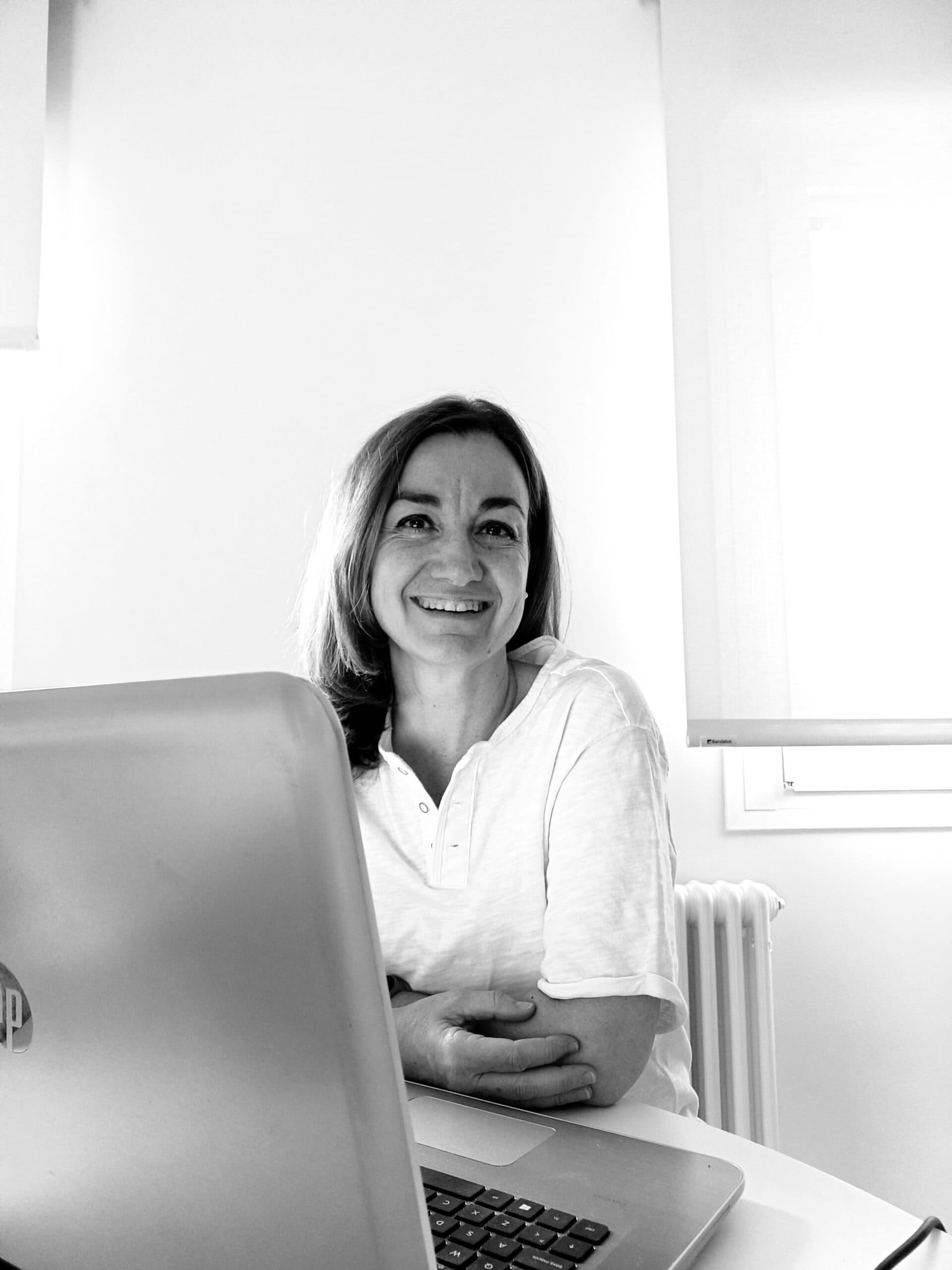
Virginia de Pablo

Virginia de Pablo is a member of the Open Science Unit at the Spanish Foundation for Science and Technology (FECYT), working on the DIAMAS project. With a background in Journalism from the Complutense University of Madrid and a Master’s in Communication from the University of Alcalá, her career focuses on scientific communication and publishing. She previously worked at the Ontology Engineering Group (OEG) at the Universidad Politécnica de Madrid, contributing to national and international projects, particularly within the Horizon 2020 framework, promoting transparency and open access to scientific data.

Speaker 2

Johan Rooryck

Johan is the co-coordinator of the EDCH alongside Pierre. Johan Rooryck is Executive Director of cOAlition S since 2019. Since 2016, he is co-editor-in-chief of the Diamond Open Access journal Glossa: a journal of general linguistics, a journal that transitioned to Diamond Open Access when its Editorial Team and Board, as well as its reader and author community, decided to abandon the Elsevier-owned journal Lingua to found Diamond OA Glossa. He is a member of the Academia Europaea, a doctor honoris causa of UiT – The Arctic University of Norway, and a visiting professor at Leiden University, where he held the chair of French linguistics from 1993 to 2020.

Speaker 3

Pascal Aventurier

Pascal Aventurier is an Open Science Expert at Knowledge Exchange, speacializing in open science, research data, open science policy, and open science in South Africa and South America. Alongside, he Co-Chairs the Datacite France Executive Committee and serves as a Program Manager for DUDONNEES, a diploma course on research data in Africa with EBAD – UCAD (Dakar, Sénégal) , ENC-PSL and IRD. Between 2019-2023 Pascal supported the ANR BRIDGE Open Science project in the role of a scientific coordinator.

Speaker 3

Jessica Dallaire-Clark
Jessica Dallaire-Clark is Senior Coordinator, Open Access Development at Érudit. Most recently, she was the Project Coordinator of Coalition Publica, a partnership between Érudit and the Public Knowledge Project to advance research dissemination and digital scholarly publishing in Canada. While her current work focuses on journal publishing, her background is in scholarly book publishing, with previous positions at the Awards to Scholarly Publications Program (ASPP) and the University of Ottawa Press. Open Access has been a common aspect of all her professional work to date.